

Introduction
The Gaza Strip, a small coastal enclave on the eastern Mediterranean, is one of the most densely populated and politically contested regions in the world. Home to over 2 million Palestinians, Gaza has been at the center of the Israeli-Palestinian conflict for decades, enduring wars, blockades, and severe humanitarian crises. This blog explores Gaza’s history, geopolitical significance, major conflicts, and the ongoing humanitarian situation.
1. Historical Background
Early History & Ottoman Rule
- Gaza has been inhabited for thousands of years, serving as a strategic trade and military hub for ancient Egyptians, Philistines, Romans, and Byzantines.
- Under Ottoman rule (1517–1917), it was part of the larger region of Palestine.
British Mandate & 1948 War
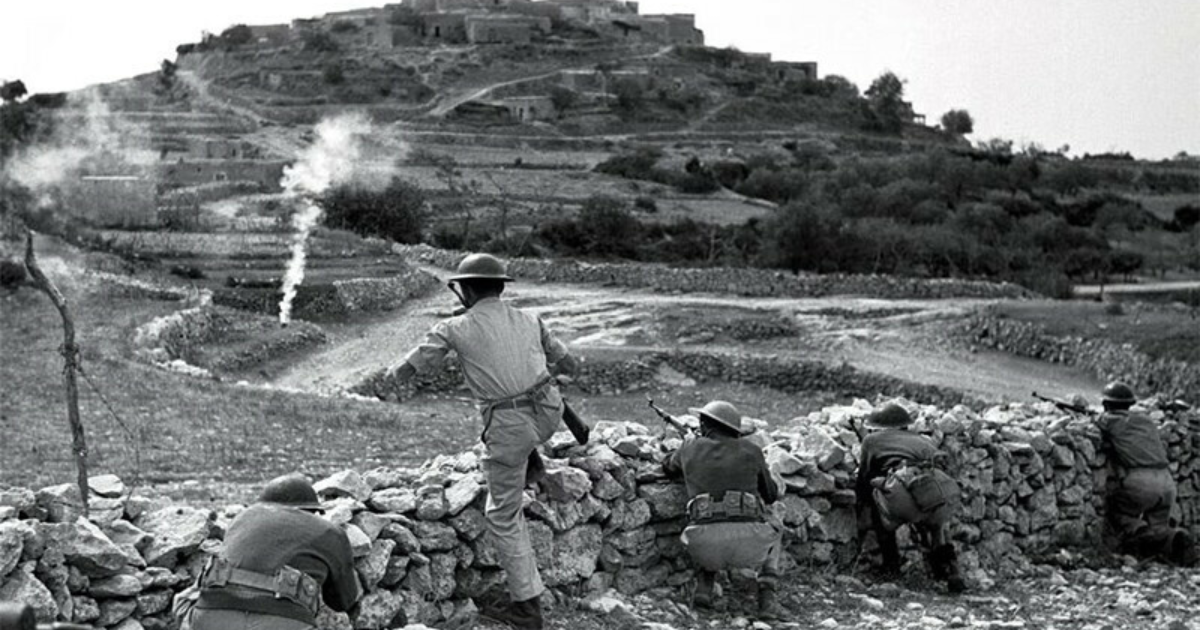
- After World War I, Gaza came under British control as part of the Mandate for Palestine.
- The 1948 Arab-Israeli War led to an influx of Palestinian refugees into Gaza after Israel’s establishment.
Egyptian Administration (1948–1967)
- Gaza was administered by Egypt but not formally annexed.
- Palestinian nationalist movements, including the Palestine Liberation Organization (PLO), emerged during this period.
Israeli Occupation (1967–2005)
- Israel captured Gaza in the 1967 Six-Day War and maintained military control.
- The First Intifada (1987–1993) began in Gaza, leading to the rise of Hamas, an Islamist militant group.
- Under the Oslo Accords (1993–1995), Gaza was designated for Palestinian self-rule under the Palestinian Authority (PA).
Israeli Disengagement (2005) & Hamas Takeover (2007)
- Israel unilaterally withdrew settlers and troops in 2005, but maintained control over borders, airspace, and coastline.
- In 2007, Hamas violently seized control from the PA, leading to a blockade by Israel and Egypt.
2. Geopolitical Status & Blockade
The Israeli-Egyptian Blockade
- Since 2007, Gaza has been under a land, sea, and air blockade, severely restricting the movement of people and goods.
- Israel controls most border crossings (except Rafah, controlled by Egypt).
- The blockade has led to severe shortages of food, medicine, fuel, and construction materials.
Governance Under Hamas
- Hamas, designated a terrorist organization by Israel, the U.S., and the EU, governs Gaza.
- It engages in armed resistance against Israel, leading to repeated conflicts.

3. Major Conflicts in Gaza
2008–2009: Operation Cast Lead
- A 22-day Israeli military offensive after Hamas rocket attacks.
- Casualties: ~1,400 Palestinians, 13 Israelis killed.
2012: Operation Pillar of Defense
- An 8-day conflict triggered by Israeli airstrikes and Hamas rockets.
- Casualties: ~170 Palestinians, 6 Israelis killed.
2014: Operation Protective Edge
- A 50-day war following Hamas kidnappings and rocket fire.
- Casualties: ~2,200 Palestinians (mostly civilians), 73 Israelis killed.
2021 & 2023–2024 Conflicts
- 2021: An 11-day war sparked by tensions in Jerusalem.
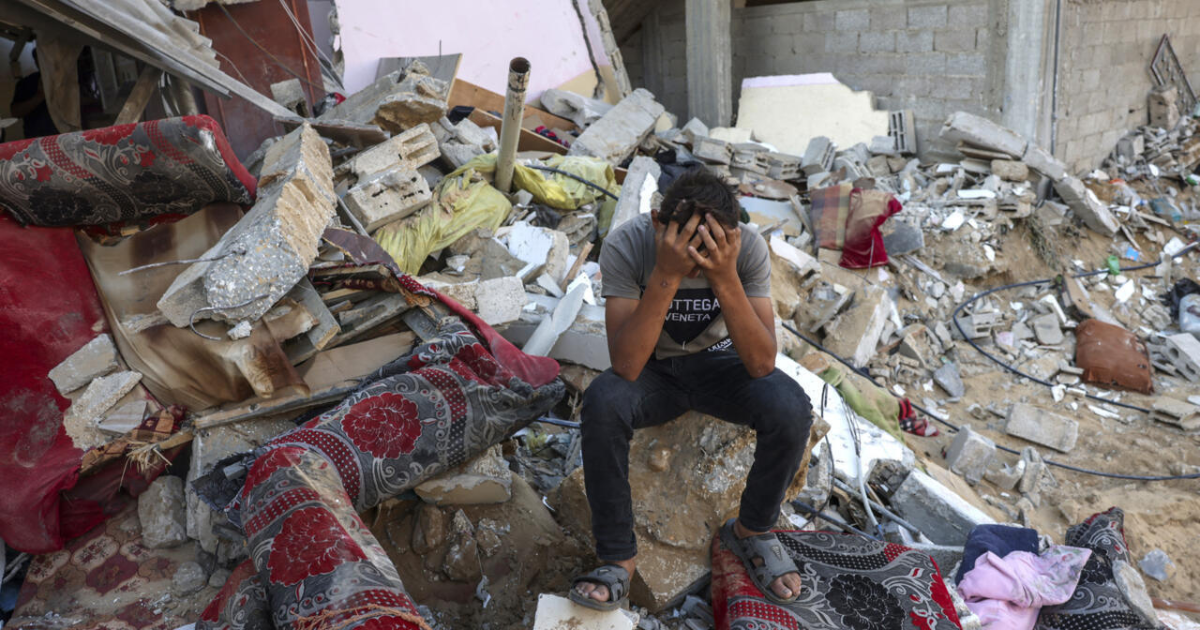
- 2023–2024: The deadliest conflict yet, following Hamas’ October 7, 2023 attack (1,200 Israelis killed, 250+ hostages taken). Israel’s response led to over 35,000+ Palestinian deaths (as of mid-2024) and widespread destruction.
4. Humanitarian Crisis
Living Conditions
- Unemployment: Over 50% (one of the highest in the world).
- Electricity: Only 4–8 hours/day due to fuel shortages.
- Water: 97% of water is undrinkable due to contamination.
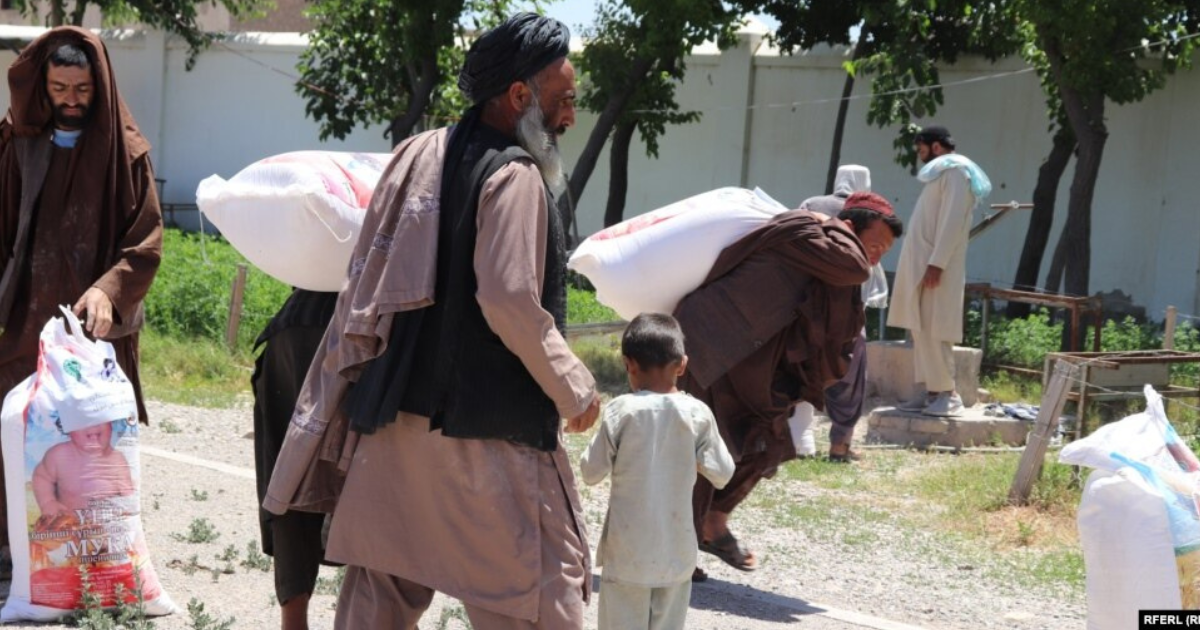
- Food Insecurity: Over 50% depend on UN food aid.
Health & Education
- Hospitals struggle due to medicine shortages and power cuts.
- Schools run by UNRWA (UN agency for Palestinian refugees) are overcrowded.
Psychological Trauma
- Constant conflict has led to widespread PTSD, especially among children.
5. International Response & Future Prospects
Peace Efforts & Failed Agreements
- Two-State Solution: Stalled due to Israeli settlements and Hamas’ refusal to recognize Israel.
- Ceasefires: Often temporary, with no long-term resolution.
Humanitarian Aid & Reconstruction
- The UN, EU, and NGOs provide aid, but reconstruction is slow due to blockade restrictions.
Possible Futures
- Continued Conflict: If no political solution is reached.
- Hamas-Weakened Governance: If Israel succeeds in dismantling Hamas.
- Two-State or One-State Solution: Requires major diplomatic shifts.
Conclusion
Gaza remains one of the world’s most tragic humanitarian and geopolitical crises. While short-term aid is essential, a lasting solution requires political will, compromise, and international intervention. Until then, the people of Gaza continue to endure unimaginable suffering.
What Can Be Done?
- Support humanitarian organizations (UNRWA, Red Cross, etc.).
- Advocate for diplomatic solutions.
- Raise awareness about Gaza’s plight.
Gaza’s story is one of resilience—but how long must resilience be tested before peace arrives?
Would you like a section on personal stories from Gaza or deeper analysis on any specific conflict? Let me know how I can expand!